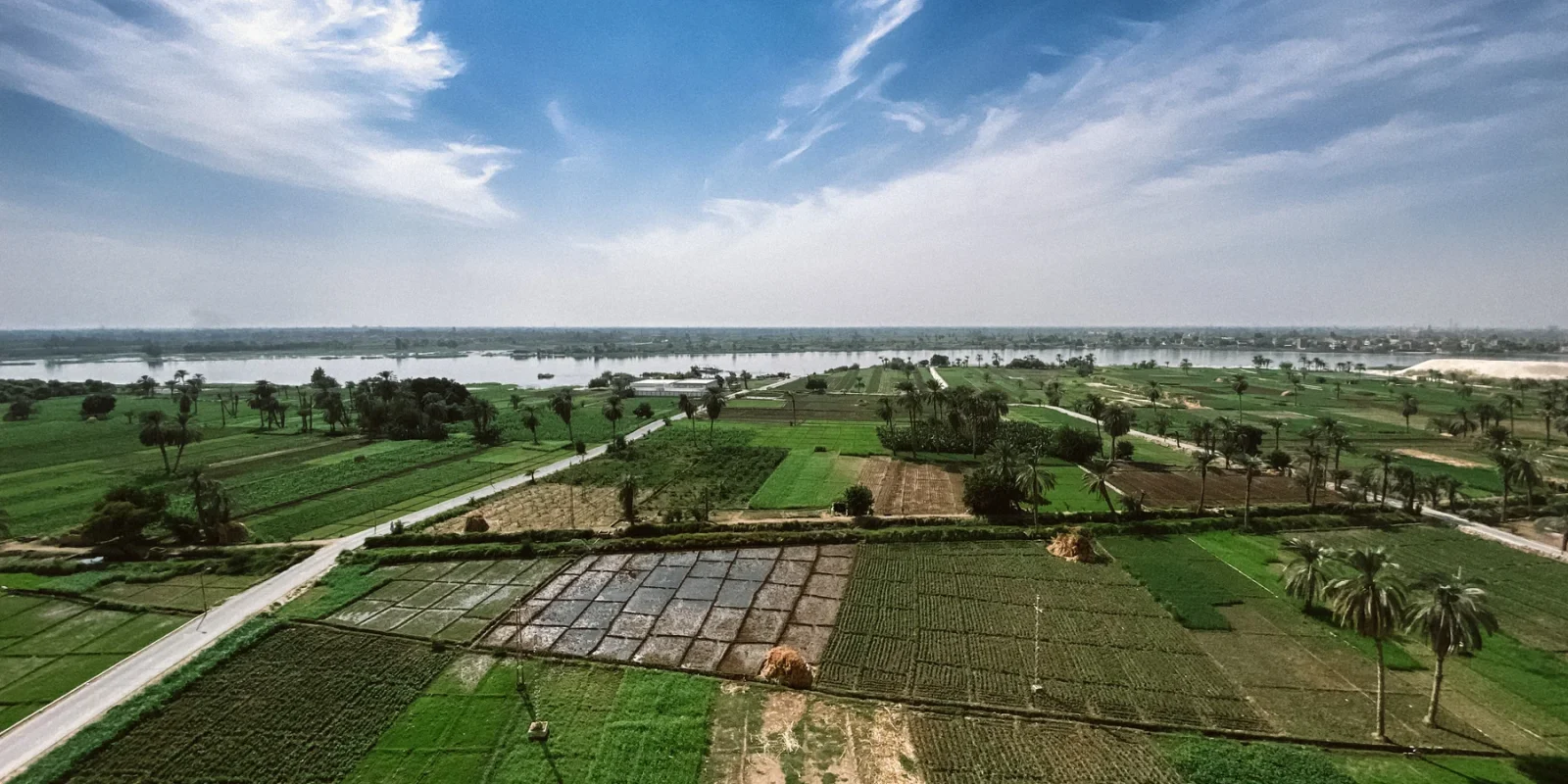

Choose a small part of a large city
Cairo is a useful place to begin understanding the Egyptian Nile, but a river view is only an introduction. The city continues far beyond the water. A workable first day connects a particular stretch of riverfront with one other area you want to understand, leaving time for the journey between them. Treat a riverside walk and a visit to historic Cairo as separate parts of the day rather than assuming they sit beside one another.
Start by naming your base, the bank it is on and the place where you intend to finish. A hotel description that says “Cairo” or “Nile view” is not enough to establish walking distances. Look at the actual entrance and the streets around it. If a tour includes collection, ask for the precise pickup area before arranging anything else around that promise.

Private Coptic& Islamic Cairo Tour with Citadel & Khan el-Khalili
Step into Cairo’s fascinating history on a private guided journey through its Islamic, Coptic Christian, and Jewish heritage. Visit the impressive S...

4-hours private Tour Islamic Mosque,Coptic Cairo &Khan el-Khalili
Learn about Old Cairo and visit the famous churches in Cairo along with Mohamed Ali Alabaster mosque on this persona...

The Civilization Museum, the Citadel, Khalili Bazaar & Old Cairo
Discover Cairo like never before with a perfectly curated mix of ancient history, spiritual landmarks, and vibrant l...
Use the riverfront as a point of orientation
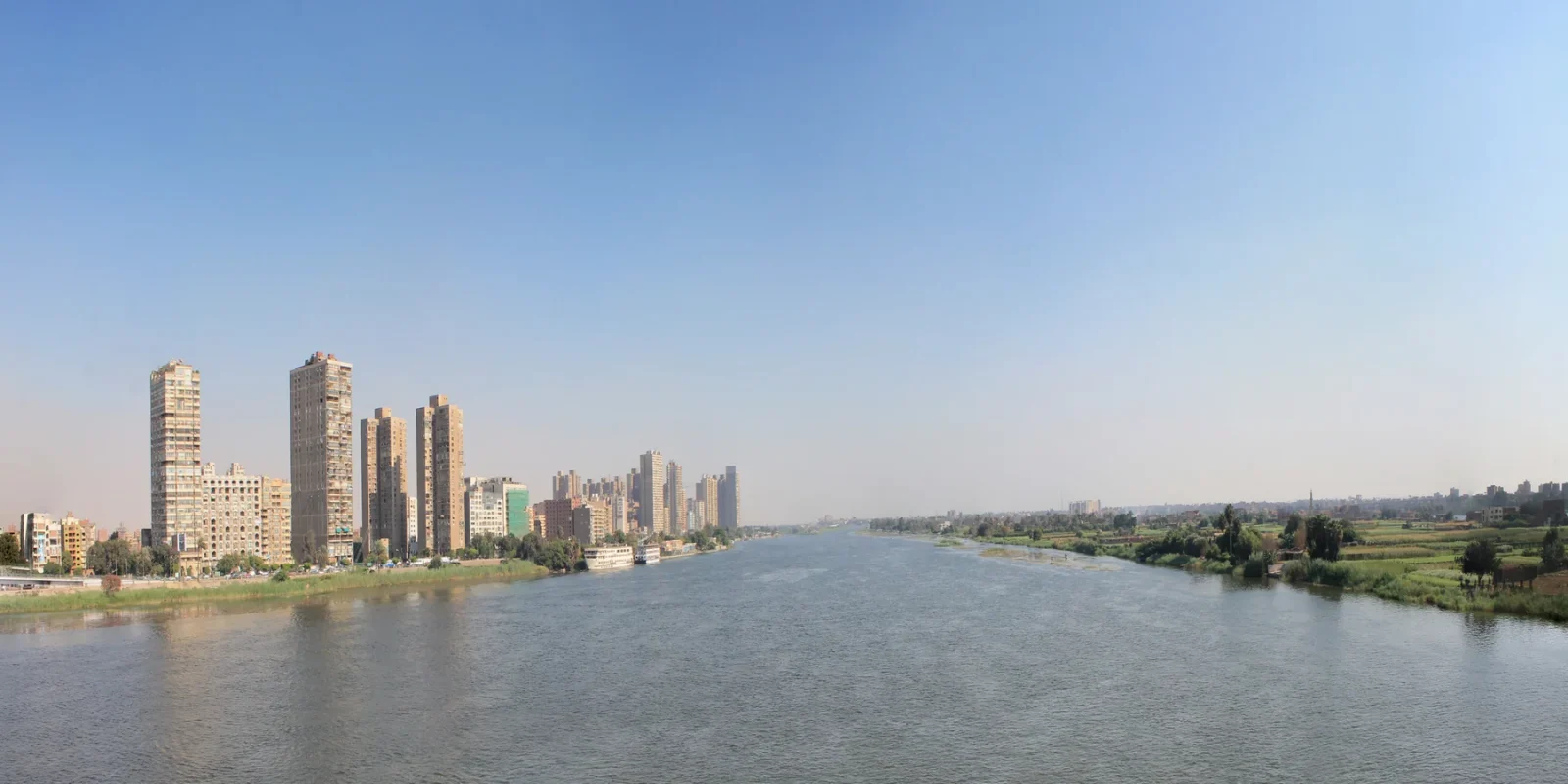
A riverfront stop offers a different reading of Cairo from a monument visit: apartment buildings, roads, planted edges and boats share the scene. Our opening photograph shows the river in Cairo; it is a documentary view, not a current guide to public access. A visible bank, garden or landing should never be assumed to be a public route. Use marked access and ask locally when the boundary is unclear.
Choose the length of the walk around your own pace and the conditions that day. The useful question is not how much of the waterfront you can cover, but what you want from the time there. You might want a view across the water, a meal nearby or a quiet interval before another city visit. A shorter stop with an easy onward journey often fits a day better than a long line drawn along the river on a map.
Give the next neighbourhood its own attention
Historic Cairo has its own dense urban and architectural setting. The photograph accompanying this guide was taken from Bab Zuwayla in 2007 and shows buildings and minarets within that setting. It is credited and dated because a photograph cannot stand in for a current access report. Check the opening arrangements for any specific building you want to enter, rather than treating an old image as evidence that a viewpoint is available today.
Keep the visit focused. Choose a small cluster of streets or one principal place, then leave space to notice materials, shopfronts and the ways the surrounding area is used. A guide can help explain a particular building or street, but ask what their visit actually covers. “Old Cairo” and “historic Cairo” can appear in broad tour descriptions; obtain the named stops rather than relying on the label alone.
Make a food stop part of the day
A meal is a practical pause, not just an item to photograph. The koshary photograph on this site records a meal served at Khan el Khalili Restaurant and Naguib Mahfouz Café in 2019. It does not promise that a particular dish, price or table is available now. Read the current menu, ask about ingredients when needed and choose the place on its present information.
If you photograph people preparing or serving food, ask first and accept a refusal without negotiation. A purchase does not automatically include permission for a portrait. Keep captions about the actual place and meal; do not turn an ordinary interaction into an invented personal story or claim that you have discovered a hidden version of the city.
Leave a clear route back
Before leaving your base, save its address and a usable return plan. Keep the final part of the day simple enough that a delayed transfer does not remove your meal or rest time. If you later continue to another Nile region, separate that travel day from an ambitious Cairo sightseeing schedule. The river connects these places geographically, but it does not make their distances disappear.
Use the regional index to decide what comes next. A Delta visit asks different questions from a stay in Luxor or Aswan. Cairo can be the start of that wider reading without becoming a rushed introduction that you immediately leave behind. The aim is a day whose places you can name and remember, with enough time to understand the setting between them.

Alexandria From Cairo In One Day Tour
Set off on an exciting one-day tour from Cairo to Alexandria, a city pulsating with history and culture. First on th...

All-in-One Giza Tour, inside Pyramid, sphinx, Camel ride & lunch
It is an unique private tour for the VIPs guest, especially plan to suite everyone. if you are a history lover or ph...

Half Day Tour Giza Pyramids &Great Sphinx with Private Tour Guide
Discover the iconic Giza Pyramids and Great Sphinx on a private half-day tour with a professional licensed Egyptolog...
The Civilization Museum, the Citadel, Khalili Bazaar & Old Cairo
Discover Cairo like never before with a perfectly curated mix of ancient history, spiritual landmarks, and vibrant local life — all in one unforgett...
Private Coptic& Islamic Cairo Tour with Citadel & Khan el-Khalili
Step into Cairo’s fascinating history on a private guided journey through its Islamic, Coptic Christian, and Jewis...
4-hours private Tour Islamic Mosque,Coptic Cairo &Khan el-Khalili
Learn about Old Cairo and visit the famous churches in Cairo along with Mohamed Ali Alabaster mosque on this persona...
Regional context: Experience Egypt: Cairo and Giza. Continue with the Delta guide or choosing a base.